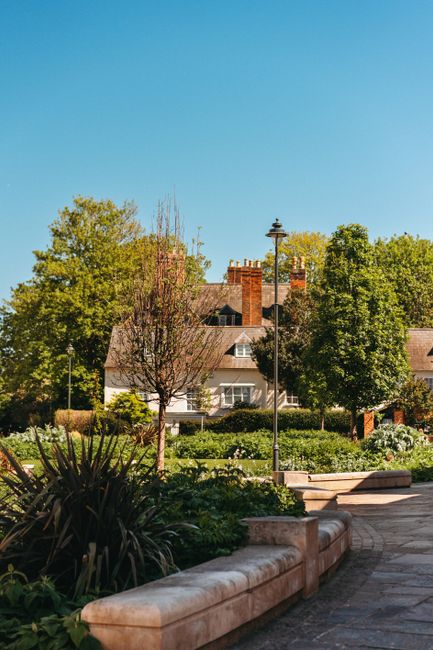
Affordable garden maintenance quotes for Teddington High Street: a practical local guide
If you are comparing Affordable garden maintenance quotes for Teddington High Street, you are probably after something very ordinary and very sensible: a tidy garden, a fair price, and no nasty surprises. That sounds simple enough, but in real life quotes can vary quite a bit. One gardener may price a light tidy-up, another may include green waste removal, hedge work, and a proper clear-down of paths and borders. In a busy part of Teddington, where gardens can be compact, shaded, or a little neglected after a wet spell, the details matter.
This guide breaks down how quotes are usually built, what makes a quote affordable without cutting corners, and how to compare estimates like a pro. You will also find a straightforward checklist, a comparison table, and a realistic example so you can move from "I should probably sort this out" to "Right, now I know what to ask for."
Contents
- Why affordable quotes matter
- How garden maintenance quotes work
- Key benefits and practical advantages
- Who this is for and when it makes sense
- Step-by-step guidance
- Expert tips for better results
- Common mistakes to avoid
- Tools, resources and recommendations
- Law, compliance, standards and best practice
- Options, methods and comparison table
- Case study or real-world example
- Practical checklist
- Conclusion
- Frequently asked questions
Why Affordable garden maintenance quotes for Teddington High Street Matters
A good quote does more than give you a number. It tells you what kind of care your garden will actually receive, how often it will be maintained, and whether the work is realistic for the space you have. That matters on Teddington High Street because front gardens, back courtyards, shared access areas, and small strips of planting can all need different levels of attention. A neat-looking quote can still be a poor fit if it leaves out key tasks.
Affordability also needs a bit of balance. The cheapest price is not always the best value, and the most expensive is not always the most thorough. In practice, the best quote is the one that matches the condition of your garden, your budget, and the standard you want to keep over time. Truth be told, a tidy recurring visit often costs less in the long run than letting things build up until they need a major reset.
There is another reason this matters: regular garden care protects the stuff that is expensive to fix later. Overgrown hedges, compacted lawn areas, weeds set in among borders, slippery patios, and badly timed pruning all become more costly if ignored. If you have ever looked at a garden after a few damp weeks and thought, "Well, that got out of hand quickly," you are not alone.
How Affordable garden maintenance quotes for Teddington High Street Works
A proper quote usually starts with a quick review of the garden's size, condition, and access. Then the gardener or team works out the labour, materials if any, waste disposal, and how long the visit is likely to take. Some gardens can be assessed from photos, but more complex jobs often need an in-person look. That is especially true where there are dense hedges, uneven surfaces, or sections hidden behind screening and corners that have not seen a pair of shears in a while.
Most quotes for garden maintenance fall into one of three shapes:
- One-off tidy-up for an overgrown space, seasonal reset, or pre-sale refresh.
- Recurring maintenance such as fortnightly or monthly care.
- Task-based quoting where you ask for specific jobs like lawn mowing, hedge trimming, or patio cleaning.
On a practical level, the quote should say what is included and what is not. That is the bit many people skip, and then later wonder why a "simple tidy" was not so simple. For instance, if borders are full of persistent weeds, that may be a separate cost from mowing. Likewise, hedge trimming can be a different line item from general garden maintenance. A clear scope makes the whole thing calmer.
If you want to understand broader service options before requesting numbers, it can help to look at the wider garden maintenance approach and the range of gardening services available. That gives useful context before you compare estimates.
Key Benefits and Practical Advantages
Affordable quotes are not just about spending less. Done properly, they help you spend better. There is a difference. A well-structured quote lets you choose the work that matters most first, then stage the rest later if needed.
- Clear budgeting: you can plan around a known cost instead of guessing.
- Better prioritisation: the most urgent jobs get tackled first, like weeds, lawn recovery, or hedge growth near boundaries.
- Less waste: you avoid paying for unnecessary extras.
- Healthier plants and lawns: regular care usually stops problems from snowballing.
- Better presentation: a tidy garden improves how the whole property feels, which you notice the moment you step outside.
There is also a quiet emotional benefit. A garden that is under control tends to feel easier to use. You stop avoiding the back corner. You stop looking at the lawn and thinking, "I'll deal with that next weekend." The whole space feels more inviting, even if it is modest in size.
For homeowners who want lower ongoing effort, an article on creating a beautiful low-maintenance garden pairs nicely with the quote process. Small design choices can reduce future work and keep future bills gentler too.
Who This Is For and When It Makes Sense
This topic matters to a fairly wide mix of people. Some want a one-off clearance after a long period of neglect. Some just want a reliable monthly visit to keep things neat. Others are preparing to sell, rent, or host family over summer and want the garden to stop looking apologetic every time they glance at it.
It makes particular sense if you are:
- short on time and do not want gardening to become another weekend chore
- living with a compact or shaded garden that needs regular light-touch care
- managing a property where presentation matters
- dealing with a garden that has become overgrown after winter or holiday periods
- trying to keep long-term costs under control with planned maintenance
Some gardens only need a few practical visits a year. Others need rhythm. If you have hedges, borders, lawn edges, and hard surfaces all competing for attention, a recurring service tends to be more economical than emergency clear-ups. To be fair, gardens have a habit of making that decision for you if you leave them long enough.
For more specialised jobs, it is worth checking whether parts of the work belong in a separate service. For example, if the space includes a tired lawn, a dedicated lawn care plan may be better value than folding everything into one vague visit. If there is a big hedge swallowing the boundary, hedge trimming may deserve its own line in the quote.
Step-by-Step Guidance
If you want a quote that is affordable and actually useful, follow a process rather than just asking, "How much?" That single question rarely gives you enough to compare properly.
- List the work you want done. Be specific. Mowing, edging, weeding, hedge cutting, leaf clearance, patio wash-down, planting resets, and debris removal are all different tasks.
- Decide what is urgent. Some jobs need attention now, while others can wait until a later visit. That keeps the quote focused.
- Share photos if possible. Clear images of the whole garden, access points, and problem areas help the gardener price more accurately.
- Ask what is included. Check whether the quote covers labour, waste removal, plant disposal, and follow-up advice.
- Ask how often the service is intended. A one-off tidy-up should not be priced like a regular maintenance plan, and vice versa.
- Compare like for like. Two quotes only become meaningful when the scope is the same.
- Look for flexibility. A good provider can often adjust the scope to suit your budget without making the work pointless.
One useful trick is to ask for a "good, better, best" style option. That way you can see what changes if you trim the scope, add seasonal tasks, or switch from one-off work to a schedule. It is a simple request, but it often leads to a much clearer conversation.
Expert Tips for Better Results
After years of sorting gardens, one thing becomes obvious: the best value rarely comes from the most dramatic quote. It comes from a quote that has thought about the garden properly.
1. Combine jobs where it makes sense. If a gardener is already on site, grouping mowing, weeding, and light hedge work can be more efficient than booking them separately.
2. Tackle access early. Narrow side gates, locked bins, parked bikes, and awkward corners slow work down. A few minutes of preparation can reduce labour time, and that can matter more than people think.
3. Keep seasonal tasks in mind. Spring growth, summer pruning, autumn leaf clearance, and winter protection all create different maintenance needs. A garden that looks "fine" in July can be a different beast in November.
4. Use realistic standards. A neat, healthy, maintained garden is more achievable than a magazine-perfect one. Honestly, that is usually the smarter target anyway.
5. Ask about regular visits before the garden gets messy. If you wait until things are overgrown, the first visit will always cost more. Preventive care is usually the gentler path.
For inspiration on keeping work efficient, it can help to browse practical reading such as vital tools for a flourishing garden experience and gardening made easy tips for newcomers. Simple habits really do save time.
Common Mistakes to Avoid
Let's face it, most quote problems come from missing details rather than bad intentions. The good news is that they are easy to avoid once you know where the traps are.
- Comparing only the headline price. A lower number may exclude waste removal, materials, or extra labour.
- Not describing the job clearly. "General tidy" means different things to different people.
- Ignoring access issues. A quote based on easy access can change if the gardener arrives and finds a locked side path or a steep rear step.
- Assuming every visit is the same. Seasonal growth changes the workload, especially for lawns and hedges.
- Skipping maintenance until the garden is in a bad state. That often turns affordable care into a bigger reset job.
Another small but important mistake is forgetting the hard landscaping. Patios, decking, and paths can make the whole garden feel scruffy even if the planting is fine. A maintenance quote may be more effective when it also includes patio cleaning or even checks on decking services if surfaces are slippery or weathered.
If the garden has become heavily tangled, a fresh-start approach may be more sensible. There is a useful guide on revamping an abandoned garden that explains why a reset sometimes saves money later.
Tools, Resources and Recommendations
You do not need special equipment to request a good quote, but a few simple tools make the process smoother and more accurate.
- Phone photos: capture wide shots plus close-ups of problem spots.
- A simple note list: write down the tasks you want included.
- A calendar: note whether you want one-off work or a recurring schedule.
- Basic measurements: rough lawn size, hedge length, or number of beds helps a lot.
- A realistic budget range: this helps the gardener recommend the right scope.
Useful supporting reading can also help you decide what kind of care your garden needs. For example, if you want the space to stay greener and softer underfoot, lawn mowing and lawn care advice are a sensible starting point. If privacy is part of the problem, privacy hedge ideas can give you a longer-term fix that reduces the need for quick visual screening.
If you are exploring broader service capability, the pages on tree surgery and landscaping can help you identify whether your garden needs routine upkeep or something more structural. Sometimes a small tree issue or poor layout is the real reason maintenance keeps feeling harder than it should.
Law, Compliance, Standards, or Best Practice
Garden maintenance is usually straightforward, but good practice still matters. A professional quote should reflect safe work methods, sensible waste handling, and care around neighbouring properties, paths, and shared access. If machinery is being used, especially near people, pets, or awkward surfaces, it should be operated carefully and in line with ordinary UK health and safety expectations.
In practical terms, you want a provider who can explain how they handle safety, insurance, and payment arrangements in plain English. That sort of clarity is reassuring, and frankly it is a decent sign that the rest of the job will be organised too. It is also reasonable to ask how disputes or concerns are handled, and whether the service has published policies for things like complaints, privacy, and payment security.
If your maintenance needs include heavier tasks such as large tree work or boundary repairs, check that the right service is being used. Large pruning jobs are not the same as routine tidying, and damaged fencing should not be treated as a quick visual fix. Good garden care respects the difference.
Where weather is a factor, especially in exposed spots, it is sensible to think ahead. A helpful read on protecting your garden during stormy weather can help you understand why seasonal planning is part of maintenance, not a separate luxury.
For extra reassurance, you can also review the site's insurance and safety information, health and safety policy, and payment and security details before you commit. That is just sensible due diligence.
Options, Methods, or Comparison Table
The cheapest route is not always the most affordable in the end. What matters is the cost relative to the amount of time, mess, and repeat work involved. Here is a simple comparison to help you think it through.
| Option | Best for | Pros | Watch-outs |
|---|---|---|---|
| One-off tidy-up | Neglected or seasonal reset jobs | Fast improvement, clear starting point | Can be more expensive if the garden keeps slipping back |
| Regular maintenance plan | Busy households and ongoing upkeep | Predictable cost, better long-term value | Needs a consistent schedule to work well |
| Task-based quote | Specific jobs like mowing or hedge trimming | Good control over budget | May miss small but important extra tasks |
| Mixed quote | Gardens with varied needs | Flexible and tailored | Needs a very clear scope so nothing gets blurred |
If your garden has a mix of soft and hard surfaces, a mixed quote is often the sweet spot. It allows for the basics, while still leaving room for extras like fencing checks, planting support, or light structural work if needed. Not every garden needs that, of course, but many do.
Case Study or Real-World Example
Here is a realistic example. A small garden off Teddington High Street had become a patchwork of fine ideas and neglected corners. The lawn had thinned in places, the back border was crowded with weeds, and a hedge near the rear path had grown just enough to make the space feel narrower than it was. The owner did not want a full redesign. They just wanted the garden to feel manageable again.
The quote process worked best when the tasks were split clearly:
- light lawn mow and edge tidy
- weed removal from borders
- hedge shaping to improve light and access
- patio sweep and clear-down
By separating the work, the gardener could price the labour properly and avoid padding the quote for uncertainty. The owner also asked for a maintenance follow-up every few weeks, which meant the first tidy did not simply disappear under new growth. Simple, really. But effective.
What changed most was not the look, although that was obvious by the end of the first visit. It was the feeling of the space. The garden became something the owner could use again on a mild evening, with that soft late-afternoon light falling across the patio instead of the usual tangle of leaves and unfinished jobs. That is the sort of improvement people usually remember.
Practical Checklist
Use this before asking for a quote. It keeps the conversation focused and saves a lot of back-and-forth later.
- Identify the exact jobs you want done
- Decide whether you need one-off or recurring maintenance
- Take clear photos of the garden from several angles
- Note any access issues, pets, or awkward areas
- Decide your budget range before speaking to a gardener
- Ask what is included in the quote
- Ask whether waste removal is included
- Check whether the work is seasonal or weather dependent
- Compare more than one quote if you can
- Review safety, payment, and terms before agreeing
Expert summary: The most affordable garden quote is usually the one that is clear, scoped properly, and matched to the condition of the space. Cheap and unclear is a headache. Clear and fair is what you want.
Get a free quote today and see how much you can save.
Conclusion
Affordable garden maintenance quotes for Teddington High Street are about more than cutting cost. They are about matching the right level of care to the right garden, at the right time, without muddling the scope or paying for work you do not need. Once you know how quotes are built, you can compare them properly and make a decision that feels calm rather than rushed.
In the end, the best quote is the one that helps you enjoy the garden again. Not perfectly, not all at once, but steadily. And that, to be fair, is often enough.
If you are ready to move from rough estimates to a clear plan, take a moment to review the service details, think through your priorities, and then make the enquiry. A tidy garden has a way of improving the whole day. Simple as that.
Frequently Asked Questions
What should be included in an affordable garden maintenance quote?
A good quote should list the tasks included, the expected labour, any waste removal, and whether the job is one-off or recurring. If something matters to you, ask for it to be written in plainly.
How do I know if a garden quote is genuinely affordable?
Compare the scope, not just the price. A quote is affordable if it gives you the work you need at a fair rate, without hidden extras or vague exclusions.
Can I get a quote from photos alone?
Yes, for many routine jobs. Photos can be enough for an initial estimate, especially for mowing, light weeding, or tidy-ups. For larger or more complex gardens, an in-person visit is often better.
Is a one-off tidy-up cheaper than regular maintenance?
Usually on the day, yes. Over time, though, regular maintenance can be better value because it prevents the garden from becoming heavily overgrown and more expensive to restore.
Why do quotes vary so much between gardeners?
Different gardeners include different things. One may price only labour, while another includes waste disposal, edging, hedge work, and extra time for access. The scope is everything.
Should I ask for hedge trimming and lawn mowing separately?
If the garden has both tasks, yes, that is often sensible. It helps you see where the cost is going and makes the comparison much clearer.
What if my garden has been neglected for months?
That is common. In that case, ask for a reset quote rather than a standard maintenance visit. An overgrown garden usually needs a different level of work, at least at the start.
Do I need to prepare anything before the gardener arrives?
A little prep helps. Move toys, chairs, or bikes if you can, unlock gates, and point out problem areas. That can save time and reduce the chance of misunderstandings.
Are maintenance quotes different for patios or decking?
They can be. Hard surfaces often need separate care such as cleaning or safety checks. If you need that kind of work, ask for it to be itemised clearly.
How often should garden maintenance be scheduled?
It depends on the garden. Some spaces only need seasonal visits, while others benefit from fortnightly or monthly care. Growth rate, layout, and your own time all affect the answer.
What is the best way to compare two or three quotes?
Use a simple checklist: same tasks, same frequency, same waste handling, same access assumptions, and same extras. If those parts differ, the prices are not truly comparable.
Where can I learn more before requesting a quote?
It helps to review general service information and practical guides on maintenance, lawn care, hedge trimming, and garden safety. That gives you a better sense of what your garden actually needs before you ask for numbers.