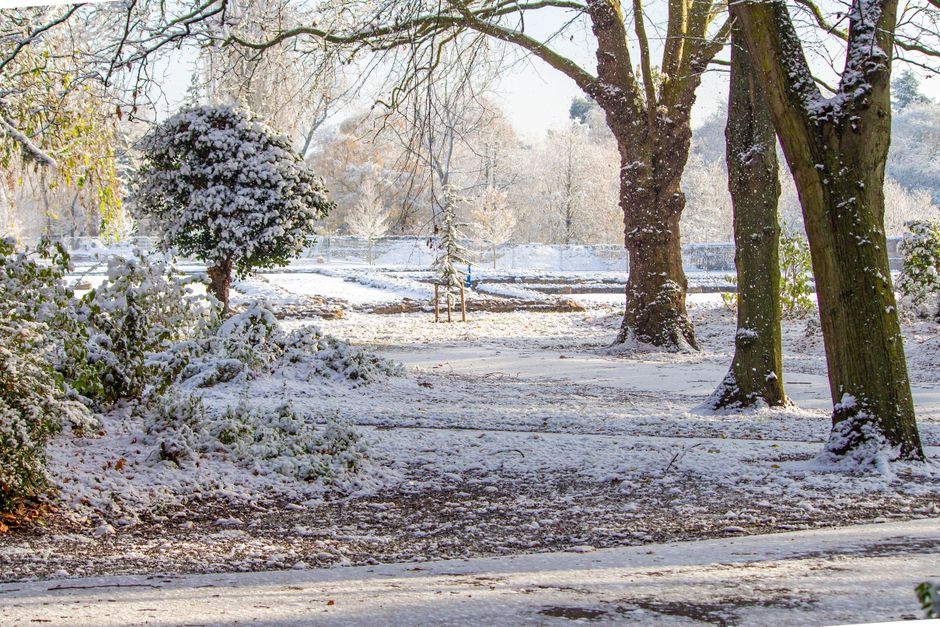
Teddington winter garden care checklist 2026 for gardeners

Winter in Teddington has a habit of catching people out. One week the garden is holding its shape nicely, the next there is frost on the lawn, soggy borders, and a wind that has shifted half the pots. If you are planning your Teddington winter garden care checklist 2026 for gardeners, the goal is simple: protect what you already have, reduce winter damage, and set the garden up so spring does not feel like a rescue mission.
This guide is built for real gardens in and around Teddington: suburban plots, compact terraces, family gardens, container setups, older lawns, climbers on fences, and the sort of mixed planting that looks lovely in summer but needs a bit of winter discipline. You will find a proper checklist, practical steps, common mistakes, and a few judgement calls that make a big difference when the weather turns damp, cold, and honestly a bit rude.
Why Teddington winter garden care checklist 2026 for gardeners matters
Winter garden care is not about making the garden look perfect. It is about preventing avoidable loss. In Teddington, where winter can swing between drizzle, icy mornings, and sudden gusts, plants are often stressed by waterlogged soil, freeze-thaw movement, and breakage rather than deep cold alone. That means the right routine is less about dramatic action and more about steady, sensible maintenance.
A good checklist helps you spot the problems that creep in quietly. A pot sitting too wet. A hedge that is catching wind. A climber rubbing against a fence. A lawn that is being compacted by foot traffic because the kids and the dog keep using the same muddy shortcut. Small issues become expensive if they are left all season.
There is also a timing issue. Winter work is much easier when handled in stages. Try doing everything after the first hard frost and you are already behind. A checklist keeps the work manageable, which is especially useful for busy gardeners, landlords, new homeowners, and anyone balancing winter garden care with the rest of life. Let's face it, nobody wants to spend a freezing Sunday afternoon trying to untangle a windblown clematis.
If your garden has more structure to it, such as mature shrubs, hedges, seating areas, or trees, winter care becomes even more important. Services such as garden maintenance, hedge trimming, and tree surgery can support the more demanding jobs when safety or access becomes tricky.
How Teddington winter garden care checklist 2026 for gardeners works
The checklist works best when you think in layers: structure, soil, plants, containers, and surfaces. That sounds neat on paper, but in a real garden the layers overlap. A hedge needs checking for wind damage, while the soil beneath it may need mulching and better drainage. A pot might need moving under cover, but the tray underneath also needs clearing so it does not hold ice and water.
Most winter tasks fall into one of four categories:
- Protection - shielding tender plants, containers, and fixtures from frost and wind.
- Stabilisation - supporting vulnerable stems, checking ties, and reducing movement.
- Drainage and hygiene - keeping soil, paths, and beds from becoming a slimy mess.
- Planning - deciding what should be cut, moved, replaced, or left until spring.
For gardeners in Teddington, winter care also has a local rhythm. Many gardens sit close to fences, walls, patios, and mature boundary planting. Those features create sheltered pockets, but they also trap damp. So you are not only protecting plants from cold; you are managing airflow, runoff, and access. A sheltered corner can be a blessing for an evergreen shrub and a disaster for a soft-rooted plant if the soil stays wet for weeks.
Useful background reading can help you make those calls. For example, winter garden care advice for cold weather covers the plant-protection side in more depth, while storm preparation for gardens is handy when wind is the bigger threat.
Key benefits and practical advantages
There are obvious benefits to a winter checklist: fewer losses, less mess, and a better-looking garden. But the practical advantages go a bit further than that.
- Less plant stress - plants recover faster in spring when roots, crowns, and stems have been protected through winter.
- Reduced repair work - fewer snapped canes, fewer broken ties, less fence damage, and less patio grime dragged into the house.
- Better soil condition - mulch, drainage, and reduced compaction make a visible difference later.
- Safer access - cleared paths and stable pots are much easier to manage when the ground is slippery.
- Improved spring start - the first mild spell is less frantic if you have already done the basics.
There is also a less obvious benefit: confidence. Once you have a repeatable winter routine, the garden feels less fragile. You stop reacting to every dark forecast and start handling the season properly. That alone makes winter feel shorter.
For people working on smaller plots, the checklist can support a low-maintenance approach too. If you are aiming for a simpler garden overall, ideas from low-maintenance garden planning and weed suppression strategies fit neatly with winter prep.
Who this is for and when it makes sense
This checklist is useful for almost anyone managing a private garden, but it is especially relevant if you fit one of these situations:
- You have mixed planting that includes shrubs, climbers, ornamental grasses, or tender perennials.
- You keep containers, pots, or seasonal displays that need repositioning in winter.
- You have a lawn that gets heavy use and turns muddy quickly.
- Your garden is exposed to wind or sits in a colder pocket of the property.
- You look after a rented property, shared outdoor space, or a garden that needs to stay tidy through the colder months.
- You want to reduce spring repair work and avoid planting losses.
It also makes sense if your garden includes features that need more than casual attention. Climbing plants on walls, privacy hedges, decking, patios, and boundary fencing all behave differently in winter. For example, a climber that looks neat in October can become a wind sail by January if it is not properly tied in. If you are working with vertical structure, evergreen climbers are worth reviewing because they keep visual interest while still needing sensible support.
Container gardeners should pay extra attention too. Pots dry out faster than beds on frosty days, but they also hold water if drainage is poor. That awkward in-between state is where many winter losses happen. A lot of people blame the cold when it was really a combination of wet feet and poor shelter. Annoying, but fixable.
Step-by-step guidance
Here is a practical winter care sequence that works well for Teddington gardens in 2026. You do not have to do it all in one day. In fact, it is better if you do not. Think of it as a tidy progression.
1. Walk the garden after a dry day
Start with a slow walk, ideally when the ground is not saturated. Look for leaning plants, loose ties, cracked pots, standing water, exposed roots, damaged canes, and anything that seems a little too close to collapse. You do not need a notebook filled with drama. Just identify what can wait and what cannot.
2. Clear debris without over-clearing habitat
Remove fallen branches, rotten fruit, and soggy annuals. At the same time, leave some habitat where appropriate. A perfectly stripped garden can be less useful to wildlife than one with a few well-placed gaps and natural shelters. If you want the garden to be both seasonal and resilient, the article on planting with purpose has a sensible ecological angle.
3. Mulch the right areas
Add organic mulch around borders, shrubs, and the base of established plants, but keep it away from stems and trunks. Mulch helps hold moisture, reduces temperature swings, and improves soil texture as it breaks down. Do not pile it on like you are burying the plant. A modest layer is enough.
4. Protect tender plants and pots
Move vulnerable containers into sheltered positions near a wall, under a porch, or close to the house where possible. Group pots together so they buffer each other a bit. Wrap only where needed. Some plants genuinely benefit from fleece or insulation, but others just need better placement and drainage. If you are growing herbs or more delicate species, herb garden guidance and orchid care advice can help you judge what is tender and what is simply fussy.
5. Check ties, supports, and structures
Inspect climbers, young trees, standard shrubs, and any plant trained against a fence or trellis. Winter wind can loosen soft ties, and a loose tie can rub bark or leave stems flapping. If a fence panel is already showing weakness, it is worth dealing with sooner rather than later. The same goes for edging, trellis, and decking joins. A quick fix now is far cheaper than a full repair later.
6. Manage lawn traffic
Try to reduce repeated walking over frozen or waterlogged turf. It marks the grass, compacts the soil, and can leave ugly patches that linger into spring. If the lawn is already struggling, keep a close eye on drainage and avoid heavy jobs on it during cold, saturated spells. For more involved seasonal care, see the notes on lawn care and lawn mowing.
7. Clean hard surfaces and drains
Winter moss and leaf slip are not just a neatness issue. Patios, paths, decking, and steps can become genuinely hazardous. Clear leaves, rinse off sludge, and check that water is draining away as it should. If the surface is overdue for attention, patio cleaning can restore grip and make the whole garden feel less grim on grey mornings.
8. Plan spring work while things are quiet
Winter is a good time to make notes. Which border needs dividing? Which shrub is too large? Which corner stays wet? What should be replaced with something more resilient or more seasonal? Quiet winter observation saves time later. If a larger redesign is on the horizon, the article on revamping an abandoned garden gives a solid way to think about bigger changes.
Expert tips for better results
The best winter gardeners do fewer things, but they do them properly. That is the difference. A few small habits go a long way.
- Water early in the day if plants need it, so surfaces have time to drain and temperatures are less shocking by evening.
- Use breathable protection where you can. Plants need insulation, yes, but they also need air movement.
- Leave a little space between pots so trapped moisture does not spread as easily.
- Choose the right moment for pruning - not everything should be cut in winter, especially if birds or structure are involved.
- Check after storms. A five-minute look after rough weather can save a lot of damage.
- Think in terms of resilience, not perfection. Winter gardens are allowed to look a bit ragged. That is normal.
One small but useful trick: keep a dedicated winter kit somewhere easy to reach. Gloves, secateurs, twine, fleece, a hand fork, and a pruning saw if you use one. You will use the same items repeatedly, and nothing wastes time like hunting through a shed in the dark with cold fingers. Not ideal, obviously.
If you are balancing beauty with practical shelter, you might also enjoy reading about privacy hedges and ground cover plants. Both can support winter structure and reduce bare, exposed patches.
Common mistakes to avoid
Most winter garden problems come from overreaction or delay. A little caution is good; too much of it can be just as unhelpful.
- Wrapping everything - not every plant needs fleece, bubble wrap, or insulation. Overprotection can trap moisture.
- Leaving pots on cold paving - this can worsen freeze exposure and drainage issues.
- Cutting back too hard - some plants need their winter shape for protection or wildlife value.
- Ignoring waterlogging - cold is not the only enemy; wet roots are a major cause of failure.
- Walking on frozen lawns - it seems harmless until the turf is patchy in March.
- Waiting for a perfect dry weekend - in winter, the perfect weekend may never arrive.
Another common slip is forgetting the garden as a system. A broken gutter, poor downpipe runoff, or blocked drain can affect borders and lawns far more than people expect. Likewise, a patio that stays slippery can discourage use and become a safety issue. The garden is connected. Slightly annoying, but true.
Tools, resources and recommendations
You do not need a shed full of expensive equipment to handle winter garden care well. Most of the job is observation, timing, and a few dependable tools. Still, the right kit makes the work easier.
| Tool or resource | Best use | Why it helps in winter |
|---|---|---|
| Secateurs | Light pruning and deadheading | Quick tidy-ups reduce disease and breakage |
| Strong twine or soft ties | Supporting climbers and stems | Prevents rubbing and wind damage |
| Mulch or compost | Border protection and soil improvement | Buffers roots from temperature swings |
| Fleece or plant cover | Temporary protection for tender plants | Helps on frost-prone nights |
| Hand fork | Loosening compacted surface soil | Improves air and drainage around beds |
| Wheelbarrow or sturdy tubs | Moving pots and debris | Makes winter tidying safer and less tiring |
For gardeners who like a more structured seasonal setup, the broader tools guide for gardeners is a useful companion. And if winter has left the garden looking tired overall, a conversation around gardening services or ongoing garden maintenance can save a lot of back-and-forth later on.
Law, compliance, standards, or best practice
For typical domestic winter garden work, there is usually no special legal complication. Still, best practice matters, especially where ladders, cutting tools, electrical equipment, or boundary work are involved. If you are hiring help, you want sensible workmanship, clear communication, and safe methods.
That means checking a few things in plain English:
- Work should be carried out safely, with appropriate care around tools, paths, and access.
- Neighbours and shared boundaries should be respected, especially when cutting back hedges or managing trees close to the line.
- Waste should be handled responsibly, and the garden left tidy after work.
- If a task involves height, heavy branches, slippery surfaces, or awkward access, it is better to use a trained team than to improvise.
If you are engaging outside help, it is sensible to review the company's health and safety policy, insurance and safety information, and terms and conditions. Those pages tell you more about how the work is approached, what is expected, and how to avoid misunderstandings.
There is also a practical trust angle here. Winter jobs often involve wet ground, broken branches, and limited daylight. Good practice is not about red tape; it is about preventing avoidable hassle. A bit of common sense goes a long way.
Options, methods, or comparison table
Gardeners often ask whether they should protect, prune, move, or leave plants alone until spring. The answer depends on the plant, the site, and the weather. Here is a simple comparison that helps in most cases.
| Method | Best for | Pros | Watch out for |
|---|---|---|---|
| Mulching | Borders, shrubs, established plants | Improves soil, buffers frost, reduces weeds | Keep away from stems; do not overapply |
| Moving containers | Pots, tender plants, compact gardens | Simple, flexible, often very effective | Heavy pots can be awkward; use good drainage |
| Wrapping/protection covers | Frost-sensitive plants | Useful in cold snaps | Can trap moisture if left on too long |
| Pruning | Loose, damaged, or unsafe growth | Reduces breakage and tidies structure | Not every plant wants winter pruning |
| Leaving structure in place | Wildlife-friendly gardens, ornamental grasses, seed heads | Looks natural and supports habitat | Only if the plant is not diseased or unstable |
If your garden has a few awkward spots - maybe a dark side passage, a windy corner, or a damp border - the right method may be different in each area. That is normal. You do not need one rule for the whole garden.
Case study or real-world example
Here is a realistic winter scenario from a typical Teddington-style back garden. A homeowner had a small lawn, several large pots near the patio, a mature climber on the rear fence, and a mixed border along the side return. The first signs of trouble were not dramatic: a few pots stayed wet for days, one climber had started rubbing against its support, and the side path was getting slick with leaf mulch.
The fix was straightforward. The pots were raised slightly and grouped closer to a sheltered wall. The climber was retied with softer support, and the side path was cleared and cleaned. The border was mulched lightly, but not smothered, and a few weak stems were removed before the first big gusty spell. Nothing flashy. Just careful, timely work.
By late winter, the garden still looked like winter - no miracle transformation, let us be honest - but there was less dieback than the previous year, the patio was safer underfoot, and spring growth came through more evenly. That is usually the best sign with winter care: the garden does not shout about the work you did. It simply behaves better.
For gardens where winter weather keeps doing damage, the next sensible move may be to combine seasonal maintenance with a broader service plan such as ongoing maintenance or a tailored visit for landscaping support. If structural elements are involved, fencing checks can be worth including too.
Practical checklist
Use this as a working winter checklist for Teddington gardens in 2026. Keep it simple. If you complete most of it, you are already doing well.
- Walk the garden after dry weather and note any weak spots.
- Clear fallen leaves, dead annuals, and rotting fruit.
- Leave some natural shelter for wildlife where appropriate.
- Apply mulch to borders and around established shrubs.
- Keep mulch away from stems and trunks.
- Move tender pots to sheltered positions.
- Group containers together to reduce exposure.
- Check drainage holes and pot feet.
- Inspect ties, canes, and climber supports.
- Reinforce anything that wobbles in wind.
- Avoid walking on frozen or waterlogged lawn areas.
- Clear patios, paths, and steps so they stay safe.
- Look for signs of waterlogging in borders.
- Trim only what genuinely needs trimming now.
- Check trees, tall shrubs, and fence lines after storms.
- Make notes about spring replacements or redesigns.
- Review whether a larger maintenance visit would save time later.
Quick takeaway: winter care is mostly about preventing avoidable damage, not doing everything at once. A calm, steady routine will always beat a frantic catch-up in February.
Conclusion
A strong Teddington winter garden care checklist for 2026 is really a habit, not a one-off job. Once you look at the garden in layers - soil, structure, shelter, drainage, and plant needs - winter becomes far more manageable. The garden may still look dormant, wet, and a bit stubborn on certain mornings, but that is fine. It does not need to sparkle every day.
What matters is that your plants are protected, your paths are safe, your containers are stable, and your spring workload stays sensible. That is the quiet win. No drama, no wasted effort, just a healthier garden that comes back better when the weather turns.
If you want support with winter tidying, protection work, or a broader garden plan, you can explore professional gardening services or speak with the team through the site. A well-kept winter garden has a way of making the first bright day of spring feel even better.
Get a free quote today and see how much you can save.
And if all you manage this week is one border, one patio sweep, or one careful look at a windy corner, that still counts. Small steps. They add up.
Frequently Asked Questions
What should be on a winter garden care checklist for Teddington?
Focus on frost protection, drainage, mulching, support checks, pot movement, leaf clearance, and any safety issues on paths or patios. In Teddington gardens, wind and damp matter just as much as cold.
When should I start winter garden prep in 2026?
Start before the first proper cold spell if you can. Early winter is usually the easiest time to tidy, mulch, move pots, and check supports before weather makes the job harder.
Do all plants need to be covered in winter?
No. Some tender plants benefit from protection, but over-wrapping can trap moisture and cause more harm than good. Many established plants just need sensible placement and drainage.
Should I prune shrubs in winter?
Only if the plant type and condition call for it. Light removal of damaged or unsafe growth is often fine, but heavy pruning is not suitable for every shrub. If in doubt, leave the main cut for the right season.
How do I stop pots from getting waterlogged in winter?
Make sure pots have clear drainage holes, use pot feet if needed, and keep them where excess rain can move away. Grouping containers and moving them to sheltered spots also helps.
Is it okay to walk on my lawn in winter?
Try to avoid it when the lawn is frozen or very wet. Repeated pressure damages turf and compacts the soil, which makes spring recovery slower.
What is the biggest winter mistake gardeners make?
Probably overreacting too late or doing too much in one go. A rushed clean-up can damage plants, while delay allows small problems to become bigger ones.
How often should I check the garden in winter?
After heavy rain, strong wind, or frost, it is worth taking a quick look. You do not need to hover over it, but regular short checks are useful.
Can winter care reduce spring maintenance costs?
Usually, yes. Preventing breakage, waterlogging, and avoidable plant loss often means less repair work and fewer replacement purchases later on.
What if my garden is very exposed to wind?
Prioritise staking, soft ties, sheltering pots, and checking fence lines or supports. If the site is especially exposed, it may also be worth looking at hedge or boundary solutions for longer-term protection.
Is patio cleaning really part of winter garden care?
Absolutely. Slippery algae, leaf sludge, and winter dirt can make hard surfaces unsafe. A clean patio is not just about appearance; it is a practical safety step too.
When should I call in a professional gardener?
If the work involves tall hedges, trees, unstable structures, heavy lifting, or anything that feels unsafe or time-consuming, it makes sense to get help. That is especially true in wet, windy conditions.